
Here’s the thing.
I first noticed oddities in Solana tx history during a late-night debugging session.
The memos showed patterns that didn’t match the app’s internal logs.
Initially I thought it was a client-side issue, but after pulling raw block data and cross-checking commitment levels, it became clear the explorer view was hiding nuances that matter for forensic and UX work.
My instinct said something was off, and I spent the next week tracing signatures, RPC responses, and fee calculations while drinking bad diner coffee that somehow kept me awake and suspicious.
Whoa, seriously though.
Solana moves fast, and that speed can mask small transaction quirks for users.
Some explorers show simplified failure reasons which is useful, yet incomplete.
On one hand a clean UI helps everyday users, though actually when you need to audit or dispute a transfer, those simplifications leave out error codes and inner instructions that are essential for accurate troubleshooting.
So, even though an explorer looks polished, under the hood there’s a lot of optional parsing and heuristics that change what you think happened to a transaction.
Hmm, my gut said so.
Using on-chain data directly is the gold standard for truth, but it’s raw and noisy.
I built scripts to pull signatures, logs, and inner instructions from confirmed blocks.
Initially I thought RPC nodes would agree consistently, but then realized variability in commitment levels, slot replays, and archival node indexing produced subtle divergences that made a single-node approach brittle for enterprise-grade auditing.
That led me to prefer explorers that index multiple validators, reprocess transactions with consistent parsers, and offer raw trace access so you can see both the human-friendly summary and the machine-level truth.
Here’s the thing.
Explorers such as Solscan gave me the right balance of depth.
Their parser surfaced inner instructions and token balances without forcing me to run custom tooling.
I’ll be honest—I’m biased, but having a trustworthy explorer saved countless hours when reconciling users’ reported missing funds against on-chain state and prevented false positives during incident response drills.
My process evolved: I compare raw logs, the explorer’s human summary, and at times repeat transactions in a controlled environment to reproduce state transitions and failure modes.
Wow, that saved time.
A SOL transfer contains signature, instruction, and balance changes.
Explorers that abstract too much hide those layers and make root-cause analysis harder.
For dev teams shipping wallets or DEX frontends, missing an inner instruction or misreading an SPL token mint can mean lost funds, bad UX, or cascading bugs that are time-consuming to unwind.
I experimented with combining on-chain traces with memos from user reports, which often revealed mismatches between the UI’s expected flow and the actual program execution in confirmed blocks.
Seriously though, yes.
Not all failures are ‘failed’ in the obvious sense; some are partial or compensated programmatically.
A transaction might call multiple programs and only some instructions revert.
Therefore you need explorers that expose inner instruction logs and burn down the sequence of CPI calls, so you can tell which program aborted and why rather than just seeing a binary success/fail flag.
In practice, that means favoring explorers that maintain provenance of events, index token transfers by mint and owner, and show lamport balance deltas alongside parsed token amounts.
Hmm, good point.
Indexing lag can make a transaction appear or disappear across RPCs.
Often waiting for finality solves complaints, though indexing delays sometimes cause confusion.
If you’re operating a custodial service or monitoring high-value flows, you can’t rely on a single public RPC or explorer snapshot; you should cross-validate against validators, archival nodes, and a trusted indexer to ensure consistency.
That setup is heavier, sure, but in my experience it’s the difference between a small user-facing hiccup and a major accounting mismatch that triggers audits.
Here’s the thing.
Privacy and traceability are in tension, and explorers default to transparency.
Compliance cases require custody trails, not just high-level transfer records.
That reality pushes some platforms to build their own internal indexers or to augment public explorers with archived raw traces and signed snapshots so they can satisfy subpoenas or reconcile disputed balances deterministically.
I’m not 100% sure about every legal nuance, but from running incident drills it’s clear that being able to produce a deterministic on-chain history reduces friction with auditors and support teams.
Oh, and by the way…
UX matters; overly technical explorers intimidate users and hide simple truths.
Good explorers give readable summaries with optional raw log drills.
I recommend teams adopt a standard workflow: triage in the UI for quick checks, then escalate to raw trace inspection when anomalies appear, and finally correlate with user session logs and backend events to close the loop.
That process isn’t glamorous, but it’s practical and prevents escalation loops that waste support resources and damage reputations.
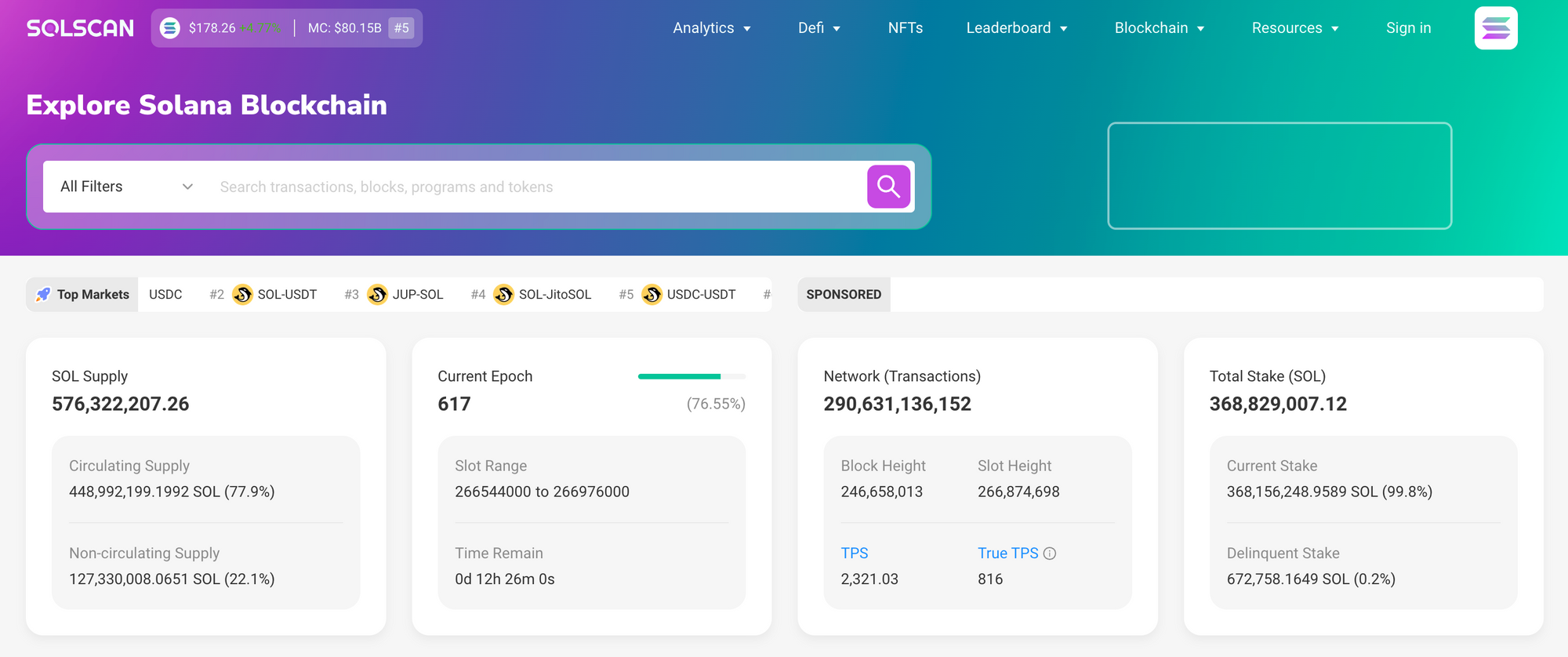
Why I recommend solscan explorer
Quick note here.
I often point teammates to solscan explorer because it shows inner instructions clearly.
The UI balances human-readable summaries with raw log access for deeper dives.
If your team handles support, compliance, or incident response, picking an explorer that documents its parsing logic and offers raw traces reduces uncertainty and accelerates resolution.
I’m biased toward tools that prioritize reproducibility over clever UX shortcuts, and that mindset influenced my recommendation here after many late nights of chasing somethin’ that didn’t add up.
FAQ
Can an explorer prove a transaction’s final state?
Short answer here.
Yes, explorers can help verify transaction outcomes and token histories quickly.
However, they differ in indexing depth, update latency, and how they parse inner instructions.
So pair explorer checks with raw RPC queries or archived node data when you need legal-grade certainty or to reconcile high-value transactions deterministically.
Practice your reconciliation steps periodically, since relying only on the explorer’s heuristics can leave blind spots in edge cases.
Will using an explorer stop hacks or user error?
No magic here.
An explorer doesn’t fix bad wallet key management or flawed program logic.
It shows what happened on-chain but not why a user mis-clicked or keys were compromised.
Combine explorer evidence with telemetry, support transcripts, and signed user statements to build a full incident narrative that stands up to scrutiny.
And remember: good tooling reduces risk but doesn’t eliminate the need for strong operational practices and clear user education.
Author